
Sports Massage Brighton
Looking for sports massage in Brighton? Mick Jordan provides individualised sports massage for athletes, active people and anyone whose training or physical activity leaves them with muscular tightness, soreness or restricted movement.
With more than 30 years of clinical experience and a strong sporting background, Mick understands the physical demands of regular training. Each treatment is tailored to your sport, training load, areas of muscular tension and recovery goals.
Experienced sports massage treatment in Brighton
Mick holds an Applied Science degree and a Graduate Diploma from Monash University. His own sporting background led him to study massage before completing further training in Sports and Remedial Massage and four years of Naturopathy.
He was also the recipient of his college’s Outstanding Naturopath award. Over more than three decades in clinical practice, Mick has worked with athletes and active people who want to manage muscular tightness, recover from demanding training and keep moving comfortably.

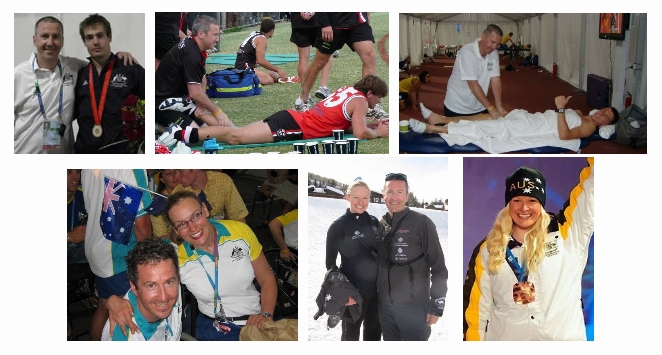
What can sports massage help with?
Training places repeated demands on muscles and connective tissues. Depending on your individual situation, sports massage may be used to support:
- muscular tightness and tension from training
- post-training muscular soreness
- restricted movement associated with muscular tightness
- recovery between training sessions
- muscular discomfort from repetitive sporting movements
- general maintenance for active people
Sports massage is not a substitute for diagnosis or rehabilitation of an injury. If your symptoms suggest an acute or significant injury, Mick will work within the appropriate scope of massage therapy and recommend further assessment when needed.
30 years of clinical experience — you’re in good hands
What is sports massage?
Sports massage is massage therapy adapted to the demands of training, exercise and sport. Treatment can focus on muscle groups that are working particularly hard, areas that repeatedly become tight, or general muscular recovery after physical activity.
You do not need to be an elite athlete to benefit from sports massage. Runners, cyclists, gym-goers, sailors, recreational athletes and people who train regularly can all experience muscular tightness and soreness from repeated physical activity.
What happens at a sports massage appointment?
Your appointment begins with a discussion about your sport or activity, current training load, areas of tightness or soreness and what you want from the session. This helps Mick tailor the treatment rather than applying the same routine to everyone.
Pressure and technique can be adjusted throughout the session. Sports massage can involve focused work on particular muscle groups, but effective treatment does not mean using unnecessarily painful pressure.
Sports massage for training and recovery
Hard training can leave muscles feeling tight, heavy or sore. Sports massage may form part of a broader recovery routine alongside appropriate rest, sleep, nutrition, hydration and sensible training progression.
The aim is not to replace good recovery habits, but to complement them with hands-on treatment tailored to the muscular demands of your activity.
Should you have sports massage before or after exercise?
The timing and style of massage should reflect what you are doing next. A treatment close to competition or demanding training is generally approached differently from a recovery-focused session after a heavy training period.
Tell Mick about upcoming events, competitions or important training sessions so the treatment can be adjusted appropriately.
Can sports massage help with an injury?
Sports massage may be appropriate for muscular tightness or soreness associated with training, but it is not a replacement for proper assessment of an injury. New injuries, significant swelling, severe pain, neurological symptoms or symptoms that are not improving should be appropriately assessed.
Where suitable, massage can form one part of a broader recovery or rehabilitation plan alongside advice from your doctor, physiotherapist or other treating practitioner.
How is sports massage different from remedial massage?
There is considerable overlap between sports and remedial massage. The main difference is the context. Sports massage focuses specifically on the muscular demands of exercise, training and sporting performance, while remedial massage can address a broader range of muscular tension, discomfort and movement restrictions.
If your main concern is everyday muscular pain or stiffness rather than training, Mick also provides remedial massage in Brighton. The treatment approach can be adapted according to what your body needs.
How often should athletes have sports massage?
There is no fixed schedule that suits every athlete. Frequency can depend on training volume, competition schedule, recurring areas of muscular tightness, recovery needs and how you respond to treatment.
Some people book around heavier training periods or events, while others include massage periodically as part of their general recovery routine.
Why choose Mick Jordan for sports massage in Brighton?
Mick combines more than three decades of clinical experience with a lifelong interest in sport, performance and recovery. This gives him an understanding of both the treatment room and the practical demands of regular training.
Each appointment is individual. The aim is to understand your activity, workload and current muscular concerns, then provide treatment appropriate to your body and goals.
Sports massage conveniently located in Brighton, Melbourne
Mick Jordan Natural Therapies provides sports massage in Brighton, Melbourne for athletes and active people from Brighton and surrounding bayside suburbs.
Whether you are training regularly, preparing for an event or simply dealing with muscular tightness from an active lifestyle, contact Mick Jordan Natural Therapies to discuss whether sports massage may be suitable for you.
Frequently asked questions about sports massage
Do I need to be an athlete to have sports massage?
No. Sports massage can suit recreational athletes, gym-goers and active people as well as competitive athletes. The treatment is based on your activity and muscular needs rather than your competition level.
Is sports massage supposed to hurt?
No. Some focused techniques can feel firm or tender in tight areas, but pressure should remain appropriate and tolerable. Tell Mick if you would like the pressure adjusted.
Can I train after a sports massage?
That depends on the type and intensity of treatment and what training you have planned. Tell Mick about important training sessions or competitions so the treatment can be adjusted accordingly.
Is sports massage good after a hard training session?
Massage can be one part of a recovery routine after demanding exercise. The timing and intensity should be appropriate to how you feel and whether you have any signs of injury.
Can sports massage prevent injuries?
No treatment can guarantee injury prevention. Sensible training progression, recovery, strength, technique and appropriate management of symptoms are important. Massage may help manage muscular tightness and form part of an athlete’s overall recovery strategy.
How long before a competition should I have a massage?
There is no single timing that suits everyone. It depends on the type of massage, your sport, your experience with massage and how your body responds. Avoid experimenting with unfamiliar or very intense treatment immediately before an important event.
Where is the sports massage clinic?
Mick Jordan Natural Therapies is based in Brighton, Melbourne, and provides sports massage for clients from Brighton and surrounding bayside areas.
About Mick Jordan
Mick Jordan is a naturopath and Sports and Remedial Massage Therapist based in Brighton, Melbourne, with more than 30 years’ experience in natural therapies. He has a particular interest in sports performance and recovery and takes an individual approach to helping active people manage the physical demands of training.
Health information on this page is general in nature and is not a substitute for individual medical advice, diagnosis or treatment. Seek appropriate medical care for severe, unexplained or persistent symptoms.