
Alkaline Diet: Can Food Change Your Body’s pH?
The alkaline diet is based on the idea that certain foods can make the body more acidic or alkaline. While eating plenty of vegetables, fruit, legumes, nuts and other minimally processed foods is a healthy approach, the evidence does not support the claim that an alkaline diet meaningfully changes the pH of your blood.
Your body tightly controls blood pH through systems including the lungs and kidneys. Food can influence the pH of urine, but urine pH is not a reliable measure of whether your whole body is “too acidic”.
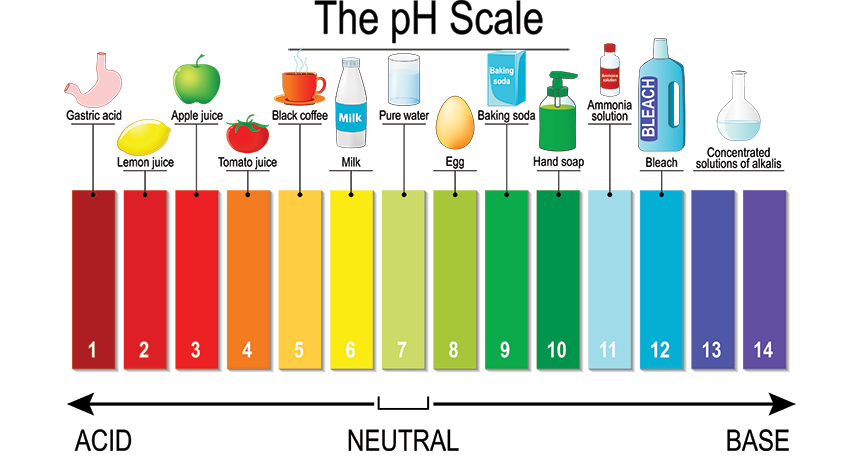
What is the alkaline diet?
The alkaline diet generally encourages foods described as “alkaline-forming”, particularly vegetables, fruit, legumes, nuts and seeds, while limiting foods labelled “acid-forming”. Some versions also restrict meat, dairy, grains, alcohol and highly processed foods.
Many of the foods promoted by the alkaline diet are nutritious. However, their health benefits come from their fibre, vitamins, minerals and other nutrients rather than from changing the pH of your blood.
Can food make your body too acidic?
In a healthy person, everyday food choices do not make the blood dangerously acidic. Blood pH is maintained within a narrow range because normal acid-base balance is essential for the body to function.
The lungs help regulate carbon dioxide, while the kidneys remove acids and adjust bicarbonate. Significant disturbances in blood pH can occur with serious medical conditions, but this is very different from the popular idea of becoming “acidic” because you drank coffee or ate particular foods.
Can an alkaline diet change blood pH?
No meaningful change in blood pH should occur simply because you eat more so-called alkaline foods. Your regulatory systems work continuously to maintain blood pH.
This is an important distinction because many alkaline-diet claims assume that changing what you eat will substantially alter the internal pH of the body. Current evidence does not support that explanation.
Why can diet change urine pH?
Food can affect the acid or alkaline components your kidneys excrete, so urine pH can change with diet. This does not mean your blood has changed to the same degree.
In fact, changes in urine are partly a reflection of the kidneys doing their job of maintaining acid-base balance. For this reason, testing urine or saliva at home cannot tell you that your whole body needs to be “alkalised”.
Do lemon water and apple cider vinegar alkalise the body?
Lemon water and apple cider vinegar can be included in a diet if you enjoy them, but they are not required to correct the pH of a healthy body. Your lungs and kidneys regulate blood acid-base balance regardless of whether you drink these beverages.
Lemon water may simply be an enjoyable way to drink more fluid. Apple cider vinegar is acidic and can irritate the digestive tract or damage tooth enamel when consumed frequently or undiluted, so more is not necessarily better.
Are alkaline foods still healthy?
Many foods commonly called alkaline-forming are excellent choices. Vegetables, fruit, legumes, nuts and seeds can contribute fibre, vitamins, minerals and a wide variety of plant compounds to the diet.
The useful message is therefore not that these foods “alkalise” your blood. It is that a varied diet rich in nutritious plant foods is associated with better overall health.
Are meat, dairy and whole grains unhealthy because they are acid-forming?
No. Describing a food as acid-forming does not automatically make it unhealthy. Foods such as whole grains, dairy foods, eggs, fish, lean meat and other protein sources can provide important nutrients and can form part of a balanced diet.
Restricting whole food groups purely because they are labelled acid-forming can make a diet unnecessarily complicated and, if poorly planned, may reduce intake of important nutrients.
Does white flour create “acid plaque” in the body?
There is no good evidence that white bread, pasta or other refined grain foods act like glue in body tissues or create an “acid plaque” that causes tissue death. That explanation should not be used as a reason to avoid these foods.
There are evidence-based reasons to favour wholegrain and higher-fibre choices more often. They generally provide more fibre and nutrients, while highly refined discretionary foods are best limited as part of an overall healthy eating pattern.
Does disease thrive in an acidic body?
The claim that nearly all disease begins because the body is acidic is not supported by good evidence. Different parts of the body naturally have very different pH environments. The stomach, for example, is highly acidic, while blood is slightly alkaline.
Cancer is sometimes used to promote alkaline diets, but there is no good evidence that an alkaline diet can prevent or treat cancer by changing body pH. Anyone undergoing cancer treatment should discuss major dietary changes with their medical team.
What is a better way to think about healthy eating?
Rather than trying to manipulate your body’s pH, focus on the nutritional quality of your overall diet. Eat a wide variety of vegetables and fruit, include wholegrain foods, choose suitable sources of protein, include healthy fats and drink enough fluid.
Limit foods and drinks that provide large amounts of added sugar, salt, saturated fat or alcohol without making the diet unnecessarily restrictive. Healthy eating should provide adequate energy and nutrients as well as being practical and enjoyable.

What about acid-alkaline food charts?
Acid-alkaline charts can be interesting for understanding how foods have historically been classified according to their potential dietary acid load. However, they should not be interpreted as a diagnostic tool or as proof that a particular food will make your blood acidic or alkaline.
The original downloadable chart from this article is preserved below for reference. Keep in mind that the classifications should not replace balanced, evidence-based nutrition advice.

Click the image above to open the original Acid-Alkaline Food Chart PDF.
Frequently Asked Questions
What is normal blood pH?
Normal blood pH is tightly regulated at approximately 7.35 to 7.45, which is slightly alkaline.
Can I test whether my body is acidic with urine strips?
Urine strips measure urine pH, not the pH of your entire body. Urine can change with diet and other factors while blood pH remains tightly controlled.
Do I need alkaline water?
For most people, there is no good evidence that alkaline water provides meaningful health advantages over safe regular drinking water.
Are vegetables considered alkaline foods?
Many vegetables are classified as alkaline-forming in alkaline-diet systems. They are healthy foods, but their benefits are not dependent on changing blood pH.
Should I stop eating acid-forming foods?
Not simply because of that label. Many foods described as acid-forming provide valuable protein, calcium, fibre, iron and other nutrients.
Can an alkaline diet cure cancer?
No. There is no good evidence that an alkaline diet can cure cancer or treat it by changing the body’s pH.
Is the alkaline diet completely useless?
Not necessarily. A version that encourages more vegetables, fruit, legumes and minimally processed foods can resemble a healthy eating pattern. The problem is the unsupported claim that these benefits occur because the diet alkalises the blood.
About Mick Jordan
Mick Jordan is a naturopath and Sports and Remedial Massage Therapist based in Brighton, Melbourne, with more than 30 years’ experience in natural therapies. He has a particular interest in nutrition, digestive health, sports performance and recovery, and takes an individual approach to helping clients improve their health and wellbeing.
Disclaimer: This article provides general health and educational information and is not a substitute for individual medical advice, diagnosis or treatment. If you have concerns about acid-base balance, kidney or lung disease, persistent symptoms, cancer or significant dietary restrictions, seek advice from an appropriately qualified health professional.