
Supporting Your Immune System: Evidence-Based Everyday Habits
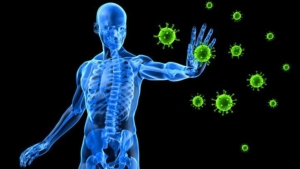
Your immune system is a complex network of cells, tissues, organs and chemical signals that helps protect you from infection and other threats. Rather than trying to “boost” immunity as high as possible, the goal is to support normal immune function and overall health.
The strongest foundations are familiar ones: a balanced diet, adequate sleep, regular physical activity, avoiding smoking, moderating alcohol and keeping recommended vaccinations up to date. Supplements can be useful when there is a specific nutritional need, but more is not automatically better.

What does your immune system actually do?
Your immune system identifies and responds to potential threats such as bacteria, viruses and fungi. It also helps recognise abnormal cells and coordinates different parts of the body’s defence system.
Immune function involves many organs and tissues, including bone marrow, lymph nodes, the spleen, skin and mucous membranes. It is not controlled by a single food, vitamin or supplement.
Can you really boost your immune system?
“Boosting” the immune system is an oversimplification. Immune activity needs to be appropriately regulated rather than simply increased, because both underactive and overactive immune responses can cause health problems.
A more useful approach is to support normal immune function through healthy everyday habits and address nutritional deficiencies or medical conditions appropriately.
How does a balanced diet support immune health?
A varied, balanced diet supplies the energy, protein, vitamins and minerals your body needs for normal functioning, including immune function. Aim for a range of vegetables, fruit, wholegrain foods, protein-rich foods and other foods appropriate to your individual needs.
Nutrients including vitamins A, C and D, zinc, iron and others have roles in normal immune function. However, taking large doses when you are already getting enough does not necessarily provide extra protection and can sometimes cause harm.
Does gut health affect the immune system?
The digestive tract and immune system interact closely. The gut contains immune tissue and a large community of microorganisms that can influence immune and metabolic processes.
This does not mean that every digestive symptom is caused by an “immune imbalance”, or that a particular probiotic will strengthen everyone’s immunity. A varied diet and appropriate medical assessment of persistent digestive symptoms are more sensible starting points.
Why is sleep important for immune function?
Adequate sleep supports physical health and normal immune function. Most adults need roughly seven to nine hours of sleep a night, although individual needs vary.
Regular sleep and waking times, a suitable sleep environment and addressing persistent sleep problems can support overall health. If you regularly struggle with sleep, discuss it with your GP or another appropriately qualified health professional.
Does exercise support the immune system?
Regular physical activity is part of a healthy lifestyle and supports many aspects of physical and mental health. You do not need extreme workouts to gain health benefits.
Walking, cycling, swimming, resistance training or other enjoyable activities can all contribute. Choose a level of exercise that suits your health and fitness, particularly if you have a medical condition or are returning to activity after illness.
What about stress and immune health?
Stress and immune function interact through complex nervous, hormonal and inflammatory pathways. Occasional stress is part of life, while prolonged stress can affect sleep, behaviour and overall wellbeing.
Stress management does not need to be complicated. Regular movement, relaxation, enjoyable activities, adequate sleep and supportive relationships can all form part of a healthy routine.
Do vitamins and supplements improve immunity?
Supplements can help when your diet does not provide enough of a nutrient or when you have a diagnosed deficiency, increased requirement or medical reason for supplementation. For most people, a balanced diet is the preferred foundation.
High doses are not automatically better. Supplements can cause side effects and interact with medicines, so individual needs should be considered rather than taking a large collection of products simply to “boost” immunity.
Can fish oil or probiotics prevent infections?
Fish oil and probiotics have been studied for many health outcomes, but neither should be presented as a general-purpose way to prevent viral or bacterial infections. Effects can vary by product, dose, strain and individual circumstances.
If you are considering these products for a specific health reason, discuss whether they are appropriate for you with a suitably qualified health professional.
How does vaccination support immunity?
Vaccination trains the immune system to recognise specific infections and respond more effectively if you are exposed in the future. Some vaccines primarily reduce your risk of serious illness rather than guaranteeing that you will never become infected.
Vaccination recommendations depend on factors such as age, health conditions, pregnancy, occupation and travel. Ask your GP or pharmacist which vaccinations are recommended for you under current Australian guidance.
What everyday habits can support immune health?
Focus on habits that support your whole body rather than searching for a single immune “hack”. Eat a balanced and varied diet, stay physically active, get adequate sleep, avoid smoking, moderate alcohol and keep appropriate vaccinations current.
Good hand hygiene and sensible infection-control measures also reduce exposure to some infections. If you have recurrent or unusually severe infections, unexplained symptoms or concerns about your immune system, seek medical assessment rather than relying on supplements alone.

Frequently Asked Questions
What is the best way to support your immune system?
There is no single best food or supplement. A balanced diet, adequate sleep, regular physical activity, avoiding smoking, moderating alcohol and appropriate vaccination provide sensible foundations for general health and normal immune function.
Does vitamin C prevent infections?
Vitamin C is essential for normal health and immune function, but taking more than you need does not simply make your immune system stronger. Food sources such as fruit and vegetables are useful ways to obtain vitamin C.
Should everyone take vitamin D for immunity?
No. Vitamin D is important for health, but supplementation depends on factors such as your vitamin D status, sun exposure, diet and medical circumstances. A health professional can advise whether testing or supplementation is appropriate.
Are probiotics good for immunity?
Some probiotic strains may have specific effects, but products are not interchangeable and benefits are not guaranteed for everyone. Choose probiotics for a clear reason rather than assuming any product will generally “boost” immunity.
Can lack of sleep weaken immune function?
Sleep is important for normal immune function and overall health. Persistent sleep deprivation can affect many body systems, so regular adequate sleep is a worthwhile health priority.
Does stress make you more likely to get sick?
Long-term stress can influence sleep, behaviour and physiological systems involved in health. Managing ongoing stress is worthwhile, but infection risk depends on many factors and cannot be explained by stress alone.
Can supplements replace a healthy diet?
Generally, no. Supplements can be useful for specific deficiencies or increased nutritional needs, but most people should use a balanced and varied diet as their nutritional foundation.
About Mick Jordan
Mick Jordan is a naturopath and Sports and Remedial Massage Therapist based in Brighton, Melbourne, with more than 30 years’ experience in natural therapies. He has a particular interest in nutrition, digestive health, sports performance and recovery, and takes an individual approach to helping clients improve their health and wellbeing.
Disclaimer: This article provides general health information and is not a substitute for individual medical advice, diagnosis or treatment. Supplements and herbal medicines can have side effects and interact with medicines. Speak with an appropriately qualified health professional about your individual needs, particularly if you have a medical condition, take medicines, are pregnant or have concerns about recurrent or severe infections.