
Muscle Tightness After Exercise: Recovery, Movement and Massage
Muscle tightness after exercise is common, particularly after a hard training session, a new activity or an increase in training load.
You might notice that your muscles feel stiff, heavy or less comfortable to move. Sometimes this settles relatively quickly. At other times, the tight feeling can linger for several days.
The right approach depends on what you’ve been doing, how your body feels and whether you’re experiencing normal post-exercise discomfort or something that needs further assessment.
With more than 30 years of experience in Sports and Remedial Massage, I’ve worked with everyone from recreational exercisers to athletes competing at international level. One thing remains consistent: recovery needs to suit the individual.
Why Do Muscles Feel Tight After Exercise?
Exercise places physical demands on your muscles.
When you increase the intensity, duration or type of activity, your body may respond with temporary stiffness, fatigue or soreness.
This can happen after running, cycling, gym training, swimming, golf, sailing or many other forms of physical activity.
Your muscles may also feel tight when you return to exercise after a break or introduce movements your body isn’t accustomed to.
Is Muscle Tightness the Same as Muscle Soreness?
Not necessarily.
People often use the words tightness, stiffness and soreness to describe similar sensations, but they don’t always mean exactly the same thing.
Tightness may feel like restriction or increased tension when you move. Soreness can involve tenderness or discomfort, particularly after demanding or unfamiliar exercise.
How the sensation developed and how it changes over time can help determine the most appropriate response.
What Is Delayed Onset Muscle Soreness?
Delayed onset muscle soreness, commonly known as DOMS, can develop after unfamiliar or strenuous exercise.
You may notice soreness several hours after training rather than immediately. It can become more noticeable over the following day or two.
DOMS is particularly common when you introduce new exercises, increase your workload or perform activities that place unfamiliar demands on your muscles.
The Australian Institute of Sport provides information about recovery and its role in supporting training and performance.
What Can You Do for Tight Muscles After Exercise?
Start by considering what caused the tightness and how severe it feels.
Gentle movement may feel more comfortable than remaining completely inactive. Appropriate hydration, nutrition, sleep and recovery time also form important parts of an overall recovery routine.
Avoid assuming that more intensity is always better. Your body may need time to recover from a demanding session.
If the discomfort feels unusual, severe or continues to worsen, seek appropriate professional advice rather than simply trying to push through it.
Can Massage Help With Muscle Tightness After Exercise?
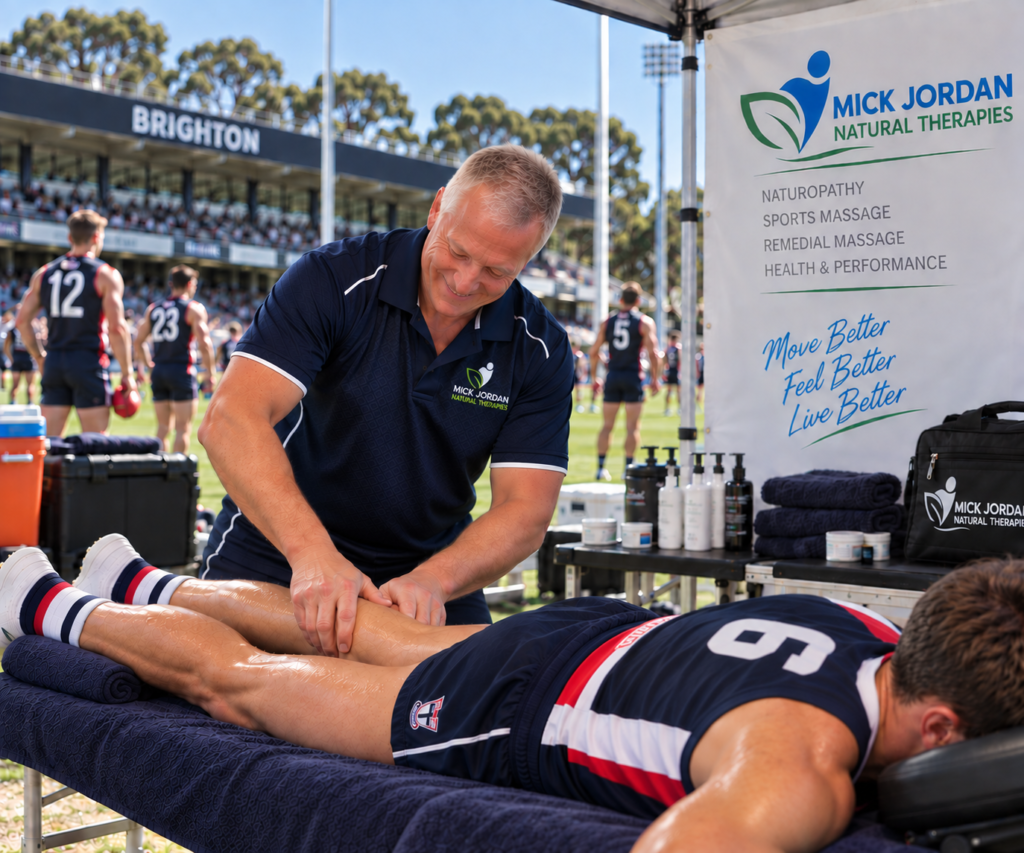
Massage can form part of a broader recovery routine for people who exercise regularly.
A session allows me to focus on areas that feel tight or have experienced a high training load. I adapt the pressure and techniques according to the individual rather than using the same treatment for everyone.
For people focused primarily on training and recovery, Sports Massage in Brighton may be the appropriate starting point.
If stiffness, muscular discomfort or restricted movement is the main concern, Remedial Massage in Brighton may also be appropriate.
Should Massage Be Painful to Work?
No. Effective treatment doesn’t need to involve extreme pain.
Some areas may feel tender, particularly after heavy training. However, more pressure isn’t automatically better.
I adjust treatment according to the person, the area we’re working on and what we’re trying to achieve.
Communication also matters. Tell me how the treatment feels so I can adjust the pressure when necessary.
When Is the Best Time for Massage?
The ideal timing depends on your training schedule, recovery needs and what you have planned next.
Some people prefer treatment after demanding training. Others schedule massage on a lighter training day or rest day.
I’ve covered this in more detail in Sports Massage Before or After Training?
The important point is that massage should fit your overall training and recovery plan rather than follow an arbitrary timetable.
Should You Choose Sports or Remedial Massage?
There can be considerable overlap between the two treatments.
Sports Massage often has a stronger connection with exercise, training and athletic recovery. Remedial Massage may place more emphasis on particular areas of muscular tension, stiffness or restricted movement.
The right choice depends on your activities, symptoms and goals.
For a more detailed explanation, read Sports Massage vs Remedial Massage: What’s the Difference?
If you’re still unsure, you don’t need to work it out yourself before making an appointment. We can discuss what you’re experiencing first.
When Should Muscle Pain Be Checked?
Not every pain after exercise is normal muscular soreness.
Seek appropriate medical or health professional assessment if you experience severe pain, significant swelling, sudden loss of movement or strength, or symptoms following a significant injury.
You should also seek advice if symptoms persist, worsen or concern you.
Massage shouldn’t replace appropriate assessment when your symptoms suggest something more than normal post-exercise tightness or soreness.
Managing Muscle Tightness After Exercise
Recovery isn’t one single treatment or technique.
Training load, movement, nutrition, hydration, sleep and appropriate recovery time can all contribute to how you feel between sessions.
Massage can form part of that overall strategy.
If you’re experiencing muscle tightness after exercise, I’ll consider your activities, training schedule and individual needs before deciding how to approach treatment.
Sports and Remedial Massage in Brighton
I provide Sports Massage and Remedial Massage from my clinic in Brighton, Melbourne.
My approach draws on more than 30 years of clinical experience and an extensive background working in sporting environments.
Whether you train several times a week, compete in sport or simply want to stay active, I tailor treatment to your individual circumstances.
Frequently Asked Questions
Why do my muscles feel tight after exercise?
Muscles can feel tight after demanding or unfamiliar exercise, an increase in training load or returning to activity after a break.
Is it normal to feel sore two days after exercise?
Delayed onset muscle soreness can become noticeable in the day or two after unfamiliar or strenuous exercise. Severe, worsening or unusual pain deserves appropriate assessment.
Should I stretch tight muscles?
Gentle movement may feel comfortable for some people. Avoid forcing painful stretches, particularly if you’re unsure why an area hurts.
Can I exercise when my muscles are sore?
That depends on the severity and cause of the soreness, as well as the activity you’re planning. Consider reducing the intensity when your body hasn’t recovered from a demanding session.
Can massage help after a hard workout?
Massage can form part of an overall recovery routine. I adapt each session according to your training, muscular tension and what you have planned next.
Is Sports Massage better than Remedial Massage for tight muscles?
Neither is automatically better. Your activities, symptoms and treatment goals help determine the most appropriate approach.
When should I seek help for muscle pain?
Seek appropriate assessment for severe or worsening pain, significant swelling, loss of strength or movement, symptoms following an injury, or discomfort that doesn’t improve as expected.