
Omega-3 Fatty Acids: Benefits, Food Sources & Supplements
Omega-3 fatty acids are essential fats that play important roles in heart, brain and general health. Because the body cannot make all the omega-3 it needs, food is an important source.
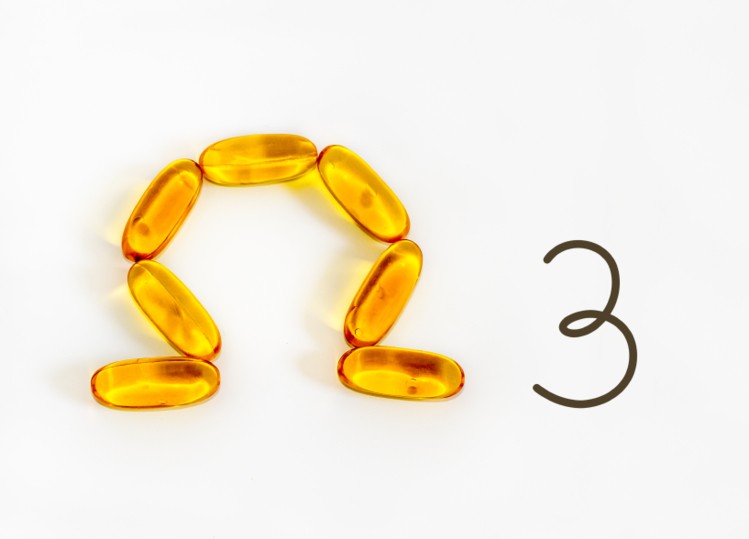
What are essential fatty acids?
Essential fatty acids are fats the body needs but cannot make in sufficient amounts. Omega-3 and omega-6 fats are both essential and belong to the polyunsaturated fat family.
The main types of omega-3
The three omega-3 fats most often discussed are ALA, EPA and DHA. ALA is found mainly in plant foods, while EPA and DHA are found primarily in fish and seafood. The body can convert some ALA into EPA and DHA, but this conversion is limited.
Omega-3 fatty acids and heart health
Omega-3 fats are associated with cardiovascular benefits and can help lower blood triglycerides. The Heart Foundation recommends including omega-3-rich foods as part of an overall heart-healthy eating pattern.
Best food sources of omega-3
Oily fish such as salmon, sardines and mackerel are rich sources of EPA and DHA. Plant sources of omega-3 include chia seeds, flaxseeds, walnuts and some plant oils.
For most people, a food-first approach also provides protein, vitamins, minerals and other nutrients that supplements alone do not provide.
Your individual nutritional needs depend on your overall diet, health history and lifestyle. If you would like personalised guidance on food choices, nutrients or supplements, my naturopathy and nutrition services provide an individual approach to nutrition and wellbeing.
What about omega-6?
Omega-6 is also an essential fat. Current evidence does not support the idea that omega-6 fats are inherently inflammatory when eaten as part of a balanced diet. Replacing saturated fats with polyunsaturated fats, including omega-6, can help lower LDL cholesterol.
Do you need an omega-3 supplement?
Not everyone needs a supplement. Some people may be advised to use fish oil or another omega-3 product for a particular health reason. The appropriate dose depends on the purpose, your diet, medical history and medicines.
If you take anticoagulant or antiplatelet medicines, have a medical condition, are pregnant, or are considering high-dose omega-3 supplements, discuss this with your doctor or pharmacist.
How to get more healthy fats
Include fish regularly, add nuts and seeds to meals, use unsaturated oils such as extra virgin olive or canola oil, and replace foods high in saturated fat with foods rich in mono- and polyunsaturated fats.
Frequently asked questions
How often should I eat fish?
The Australian Heart Foundation recommends oily fish two to three times a week as part of a healthy eating pattern.
Are plant omega-3 sources useful?
Yes. Chia seeds, flaxseeds and walnuts provide ALA and can be valuable parts of a healthy diet.
Is omega-6 bad for you?
No. Omega-6 is an essential polyunsaturated fat and can support heart health when it replaces saturated fat in a balanced diet.
About Mick Jordan
Mick Jordan is a naturopath and Sports and Remedial Massage Therapist based in Brighton, Melbourne, with more than 30 years’ experience in natural therapies. He has a particular interest in nutrition, digestive health, sports performance and recovery, and takes an individual approach to helping clients improve their health and wellbeing.
This article provides general information and does not replace personalised medical or dietary advice. Speak with your doctor or an accredited practising dietitian if you have individual health concerns.
Leave A Comment