
How to Cope With Stress During Traumatic Times
Stress is a normal response to pressure, uncertainty and distressing events. After trauma or during difficult periods, you may notice changes in your thoughts, emotions, sleep, concentration, appetite or physical tension. These reactions can vary greatly from person to person.
There is no single way to cope with stress. Simple foundations such as sleep, regular meals, physical activity, supportive relationships, relaxation and manageable routines can help. If distress is persistent, worsening or interfering with everyday life, professional support is important.
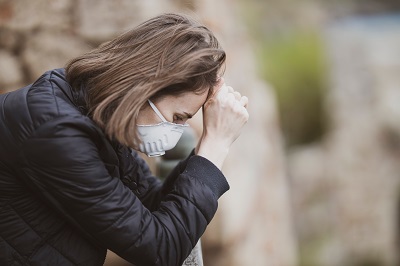
What happens to your body when you are stressed?
Stress activates systems that help the body respond to a perceived threat or demand. You may notice a faster heartbeat, muscle tension, rapid breathing, sweating, stomach discomfort or increased alertness.
This short-term response can be useful when action is needed. Problems are more likely when stress is intense, continues for a long time or begins to interfere with sleep, health, relationships, work or everyday functioning.
What are common reactions after a traumatic event?
People can react to traumatic or distressing events in many different ways. Common reactions can include fear, sadness, anger, feeling overwhelmed or numb, difficulty sleeping, changes in appetite, poor concentration and changes in mood or behaviour.
Some people recover relatively quickly with time and support. Others experience symptoms that continue or become more severe. There is no need to compare your response with somebody else’s experience.
How can you calm your stress response?
Slow breathing, relaxation exercises and mindfulness can help some people settle physical tension and bring attention back to the present moment. These techniques are skills, so they may become easier with practice rather than producing an immediate feeling of calm every time.
Try a few quiet minutes of slow breathing, progressive muscle relaxation, meditation or another technique you find comfortable. The goal is not to force difficult thoughts away but to give your mind and body an opportunity to settle.
Why is routine helpful during stressful times?
A simple routine can restore some predictability when life feels uncertain. Regular times for waking, meals, movement, work or daily tasks and winding down for sleep can provide useful structure.
Keep expectations realistic. During a difficult period, maintaining a few basic routines may be more helpful than trying to be highly productive or completely reorganise your life.
Can exercise help with stress?
Regular physical activity can support both physical and mental wellbeing. Walking, cycling, swimming, gym training, yoga or other enjoyable movement can provide a break from worry and may support mood and sleep.
Exercise does not have to be intense to be worthwhile. Choose activity that suits your health, fitness and circumstances, and start gradually if you have been inactive.
How important is sleep when coping with stress?
Sleep and stress can influence each other. Stress may make it harder to fall asleep or stay asleep, while ongoing poor sleep can leave you more tired, irritable and less able to concentrate or manage emotions.
A consistent bedtime and waking time, a quieter wind-down period and reducing stimulating activity close to bedtime may help. If sleep problems persist, discuss them with your GP or another appropriately qualified health professional.
Why does staying connected matter?
Supportive relationships can make difficult experiences easier to manage. Talking with a trusted friend, family member, colleague or professional may reduce isolation and provide practical as well as emotional support.
You do not have to discuss everything before you are ready. Sometimes simply spending time with someone you trust, going for a walk together or accepting help with everyday tasks can be valuable.
Should you limit news and social media?
Repeated exposure to distressing news, images and social media can increase feelings of overwhelm for some people. Staying informed may be necessary, particularly during emergencies, but constant checking is rarely required.
Consider choosing reliable information sources and checking them at set times rather than continuously scrolling. Taking breaks from graphic or repetitive coverage can be a sensible part of looking after your wellbeing.
What role do food, caffeine and alcohol play?
Regular, nourishing meals and adequate fluids support general health during stressful periods. There is no special food or supplement that removes stress, and supplements should not be presented as a substitute for appropriate mental health care.
Caffeine can increase nervousness or interfere with sleep in sensitive people. Alcohol or other drugs may seem to provide short-term relief but can create additional health and coping problems, particularly when they become a regular way of managing difficult emotions.
Stress, energy, sleep, nutrition and lifestyle can often influence one another. If you would like individualised support, my naturopathy consultations consider your health history, nutrition, lifestyle and personal goals as part of a broader approach to wellbeing.
Frequently Asked Questions
Is stress after a traumatic event normal?
Yes. A range of emotional and physical reactions can occur after distressing events. Many improve with time and support, although persistent or worsening symptoms should be assessed professionally.
What is the fight-flight-freeze response?
It describes automatic changes that can occur when the brain and body detect danger or threat. These may include increased alertness, faster heart rate, muscle tension and an urge to confront, escape or become still.
Can breathing exercises stop anxiety?
Breathing and relaxation exercises may help reduce physical arousal and make anxiety easier to manage, but they are not a guaranteed cure and do not replace treatment when an anxiety disorder or trauma-related condition is present.
Does exercise reduce stress?
Physical activity can support mental wellbeing and can be a useful part of stress management. Choose a form and intensity appropriate for your health and circumstances.
Can supplements treat stress?
No supplement should be relied on as a treatment for severe or persistent stress, anxiety or trauma-related symptoms. Nutritional deficiencies and individual supplement needs are best assessed appropriately.
How can I support someone after a traumatic event?
Listen without pressuring them to talk, offer practical help, respect their pace and encourage professional support if they are struggling. Simply staying connected can be valuable.
How long should stress symptoms last?
There is no fixed timetable. If strong reactions are not improving, are worsening or are interfering with everyday life, seek advice from a GP or mental health professional.
About Mick Jordan
Mick Jordan is a naturopath and Sports and Remedial Massage Therapist based in Brighton, Melbourne, with more than 30 years’ experience in natural therapies. He has a particular interest in nutrition, digestive health, sports performance and recovery, and takes an individual approach to helping clients improve their health and wellbeing.
Disclaimer: This article provides general health information and is not a substitute for individual medical or mental health advice, diagnosis or treatment. If stress, anxiety or trauma-related symptoms are persistent, severe or affecting your daily life, seek help from an appropriately qualified health professional. If you are in immediate danger or cannot keep yourself safe, call Triple Zero (000). In Australia, Lifeline provides 24-hour crisis support on 13 11 14.
Leave A Comment